
Pediatric Urology Services in San Antonio, New Braunfels, & South Texas
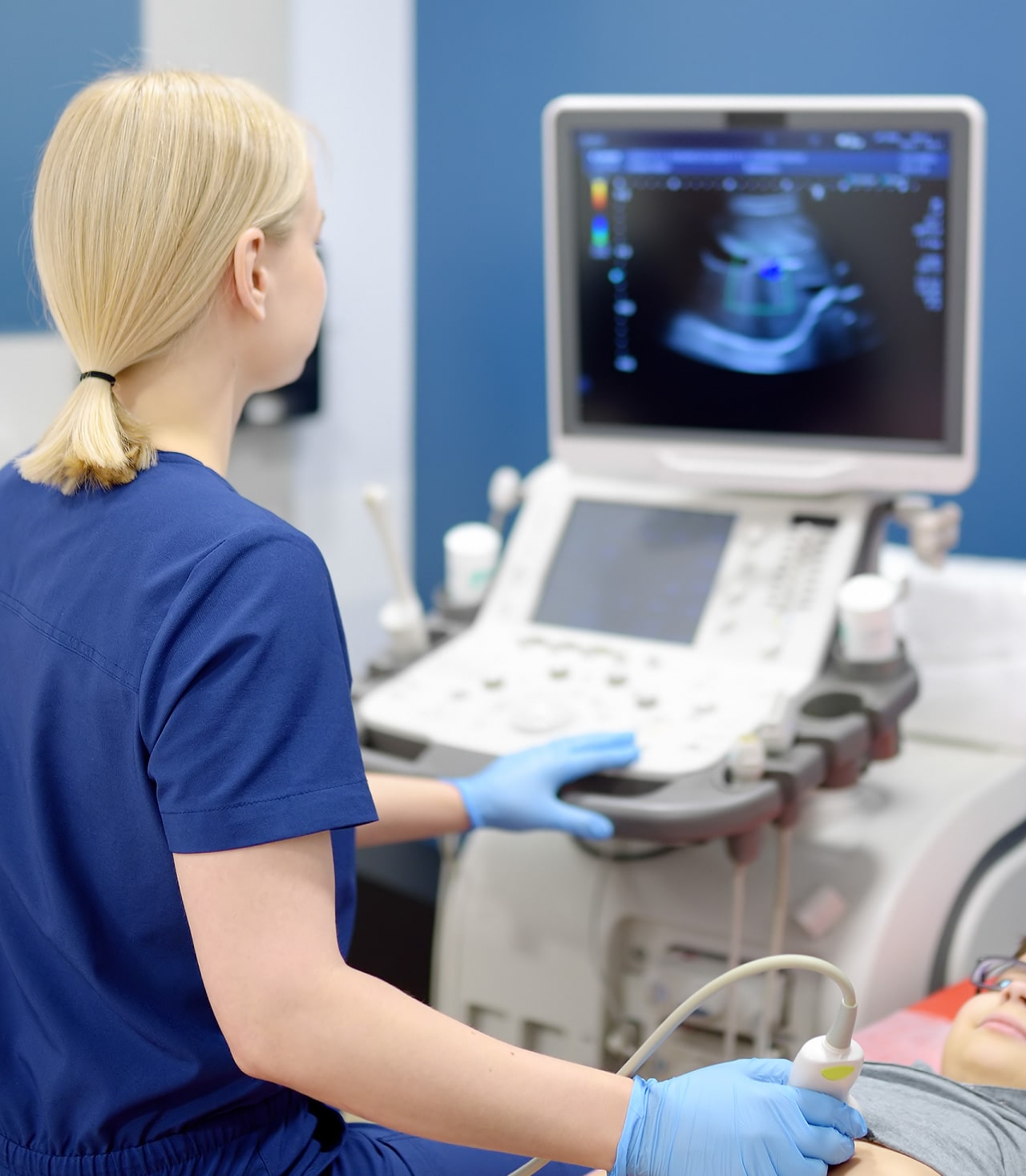
Expert Pediatric Urologic Care in San Antonio
At Pediatric Urology of San Antonio, we provide expert pediatric urologic care in San Antonio for infants, children, and adolescents across San Antonio, New Braunfels, and surrounding Central and South Texas communities. Our team focuses on early diagnosis, individualized treatment, and long-term outcomes, with care tailored to each child and family.
Our physicians treat a wide range of pediatric urologic conditions, including phimosis, buried penis, micropenis, hypospadias, penile torsion, penile curvature, undescended testicles, hydrocele, varicocele, testicular cysts, labial adhesions, clitoral hypertrophy, vaginal agenesis, urogenital sinus anomalies, and cloacal malformations.
We also provide specialized care for children with disorders of sexual differentiation (DSD), using a multidisciplinary, family-centered approach that supports informed decision-making at every stage.
Early evaluation is an important part of effective care. Meeting with a pediatric urologist early can help guide treatment and support healthy development over time.
Our Comprehensive Pediatric Urology Services
We treat a wide variety of pediatric urologic conditions, organized into specialized areas to ensure expert care:
Kidney Conditions
Kidney infection (also called pyelonephritis) is a bacterial infection of the kidney itself. It represents one specific type of urinary tract infection. Urinary tract infections that only involve the bladder (cystitis) can cause frequent urination, painful urination, urine accidents, bloody urine, foul-smelling urine and abdominal pain. Usually, when a urinary tract infection (or UTI) involves the kidneys, there are additional, significant associated symptoms, including fever (usually over 101.5 degrees F or 38.6 degrees C) and possibly nausea, vomiting or flank pain. When a kidney infection is very severe, a child may appear lethargic (overly sleepy and difficult to wake up), pale, with a racing heartbeat and very low blood pressure. This particular set of symptoms is called uro-sepsis and can be life threatening.
The causes of kidney infections are many but usually related to poor drainage or stagnation of the flow of urine at any point in the urinary tract, backward flow of urine into the kidneys (vesicoureteral reflux), or abnormal neurologic or muscular function of the bladder (neurogenic bladder). Testing may include a urine culture, blood tests and imaging studies (ultrasound of the kidneys/bladder, CT scan or MRI).
Treatment of kidney infection usually involves antibiotic therapy. Thankfully, most kidney infections can be treated with oral antibiotics or a combination of injection of antibiotics and some oral antibiotics. Other treatments needed can include helping any obstructed part of the urinary tract drain better either using drainage tubes or surgery.
In addition, treatment and prevention of kidney infections may involve further testing and treatment for any underlying condition, which your pediatric urologist will discuss and plan with you.
The kidneys function to remove waste and extra fluid from the body. Sometimes crystals can precipitate out of the urine and clump together to form kidney stones. There are many causes of kidney stones, the most common being chronic dehydration. As opposed to adults, children are more likely to have an underlying metabolic abnormality causing their stones; thus, all children with a history of a stone in the urinary tract should have a full evaluation. Children who have a diet high in protein and salt or have a family history are also at increased risk of developing a kidney stone.
Stones form in the kidney and, if small enough, travel down to the bladder and are voided out. A stone can get stuck or held up anywhere along this path. Children with kidney stones may have blood in the urine, intermittent pain, or no symptoms at all. Even stones without symptoms must be managed surgically or watched very closely until they pass. When stones get stuck in the urinary tract, they can cause pain, nausea and vomiting, which is severe and intermittent in nature (renal colic). The pain is usually relieved as the stone moves down and temporarily relieves the obstruction and back pressure on the kidney. If a child has a fever or signs of infection with a stone that is blocking the urinary system, the urine is temporarily diverted by either a stent that is placed in the operating room and lies inside the body or by a percutaneous nephrostomy tube that is placed through the back directly into the kidney.
Children who present with signs and symptoms of stones are often evaluated with various imaging modalities such as an X-ray, ultrasound or CT scan. Blood work and urine tests are also usually ordered.
Stones are treated with observation, medical management or interventional therapy, including extracorporeal shock wave lithotripsy and/or surgery. Surgery can include ureteroscopy (using a very small telescope without any incisions) and percutaneous approaches through the back. Very rarely open or laparoscopic surgery is needed. Sometimes a stent is left in place to allow the ureter to dilate for the stone to pass spontaneously or to allow for easier ureteroscopy. The approach depends on the size, location and type of kidney stone. Whenever possible, stones are collected and sent for stone analysis. After the stone has been treated, the focus is on stone prevention. A full workup includes testing of a 24-hour urine collection and blood tests. This is sometimes done in partnership with our pediatric nephrology (medical kidney’s doctor) colleagues.
Antenatal hydronephrosis is dilation with urine of the upper urinary tract (kidneys and ureter tubes) seen on ultrasound testing on an unborn baby during pregnancy. Most expecting mothers today will have at least one ultrasound before having their baby, and in approximately 1% of cases, some dilation of the urinary tract is seen on these tests. The list of causes is long, but dilation of urinary collecting systems is usually caused by one of four things: the urine is having trouble getting out of the kidneys or ureter tubes (obstruction), the urine is being forced back up in the kidneys or ureter tubes (vesicoureteral reflux), the bladder muscle is not functioning properly due to neurologic issues (neurogenic bladder) or the urinary tract simply looks that way even though everything is draining well in the correct direction. Thankfully, most hydronephrosis detected prior to birth is mild and usually not related to any problem. Sometimes, however, additional treatment or surgery may be needed. Your urologist’s job is to help you determine if anything could be causing these problems and, if so, to help determine how best to treat your child.
Most babies with AH will undergo some initial testing ordered by your pediatrician or neonatologist, or as recommended by your pediatric urologist. These tests may include imaging studies, urine and/or blood tests. If your child has antenatally detected hydronephrosis, your pediatric urologist will work with you to develop a detailed individualized care plan for your child.
The formation of the human kidney requires sophisticated coordination of events during a baby’s development in the womb. Sometimes the normal series of events is interrupted or otherwise altered. When this happens, kidneys with abnormal location, number or arrangements (kidney malformations) can occur. This can lead to kidneys that do not sit in the correct location (ectopic kidney), kidneys that don’t form correctly or at all (dysplastic or aplastic kidneys), kidneys with more than one segment (duplicated kidneys), or kidneys that are stuck to each other (fusion anomalies).
While many of these “anomalies” have no consequence to your child’s health at all, some of them are associated with urological problems. However, even when problems occur, most children and adults with kidney anomalies lead normal healthy lives with excellent kidney function if adequately treated. These problems can include poor drainage of urine, urinary reflux, poor function of that kidney, the formation of kidney stones or other problems. In some cases, surgery may be needed to remove or reconstruct part of the urinary tract to optimize function and relieve symptoms. Your pediatric urologist will work with you to determine how your child’s kidney’s structure, location and function may affect their health and develop a plan to diagnose and treat any problems.
Thankfully, cancer of the kidney in children is rare. However, there are some cancerous tumors of the kidney that can present in children. These tend to be different types of cancer than those that cause cancer of the kidney in older adults. Symptoms can include an abdominal mass, bloody urine, recurring unexplained fevers, unintentional weight loss (in older kids/teens) or failure to thrive (unable to grow and gain weight normally) in younger children. Some kidney cancers in children present as part of genetic syndromes, while others occur sporadically. Although there are many types of malignant tumors of the kidney in children, those seen most commonly by a urologist include Wilms’ tumors and neuroblastomas. Diagnostic tests usually involve a combination of blood and urine tests, imaging studies and sometimes specialized tests ordered and performed by a childhood cancer specialist (oncologist). In many cases, surgery has an important initial role in treating many childhood cancers that involve the kidney. Treatment of these conditions usually involves the coordination of many specialists, including pediatric urologists, to deliver the best care and outcomes possible for these children.
Bladder Conditions
Vesicoureteral reflux (VUR) is one of the most common conditions for which we see children. Up to one-third of children with Urinary Tract Infection (UTI) have VUR. It is usually discovered due to UTIs but can also be discovered incidentally or due to kidney dilation (hydronephrosis) noted on prenatal ultrasound. Many children will “outgrow” VUR with time (spontaneous resolution). For children with normal bladder function, VUR itself is not harmful to the kidney. However, the presence of VUR increases the risks of UTIs until it resolves or is surgically corrected. Most children are maintained on a low-dose once-daily prophylactic (preventative) antibiotic until the VUR resolves or is corrected or becomes very minimal. VUR can be one-sided or both sided and varies in severity. The more severe it is, the higher the risk of UTI problems, and the longer it will likely take before the VUR resolves. We will discuss your child’s VUR grade and the risk of UTIs at each visit. Additionally, we will discuss your child’s bowel and bladder habits, which are strongly related to VUR resolution and UTI problems.
We treat hundreds of children with VUR of all varieties and severities each year. Each child with VUR is different, and there is no “one size fits all” treatment plan for this condition. At each visit, options for continued treatment are discussed, including the pros/cons of each option. Parental preferences are extremely important for managing this condition, as there are usually several good treatment options available. We strive to provide parents with an honest assessment of their child’s risk of UTIs and the likelihood of VUR resolution, along with reasonable treatment options. A decision is then made together, with parental preferences as the primary driver of the treatment plan.
We perform hundreds of VUR correction procedures (under anesthesia) each year, from minimally invasive procedures using a scope (no incisions) inserted into the bladder through the urethra to open bladder surgery through a small “bikini” incision. The decision of when to proceed to surgery and which procedure is best for your child will also be made together, with parental preferences at the foremost of the decision.
Continence problems in children are extremely common. Many primary care providers are comfortable and willing to address them. However, sometimes these problems are refractory to routine interventions or are persistent and complicated. We see children with continence problems, daytime, nighttime, and both, from complex to simple, every day. Evaluations will include the evaluation of a urine specimen to rule out urinary tract infections or blood in the urine and an ultrasound to ensure good bladder emptying. Most importantly, a thorough history will be obtained, and a physical exam will be performed. The history is usually the most important factor in the evaluation of children with incontinence. We will ask many questions at these visits, including how often the child voids, when the incontinence occurs, how much urine is leaked, treatments that have been tried previously, whether urinary tract infections are occurring as well, and for how long the incontinence has been occurring. We will also ask about bowel movement frequency, consistency and any incontinence of stool. The more information or detail the parents (and the child in older children) can give us, the more quickly we can pinpoint the cause of the incontinence and provide the correct recommendations, treatments and sometimes medications to achieve continence. If your child is seeing us for incontinence, please be prepared to answer these questions with as much detail as possible.
Continence problems can be some of the most frustrating for both parents and children. As physicians who only treat children, we understand these frustrations and provide compassionate assessments, treatment recommendations and ongoing follow-up to help your child achieve continence.
Bladder stones are quite rare, especially in children. The development of stone(s) in the bladder is always related to incomplete emptying of the bladder (stasis of urine). They are extremely rare in neurologically normal children. They are most commonly seen in children with neurogenic bladder, which means abnormal bladder function due to a neurological problem. The most common cause of neurogenic bladder in children is spina bifida and associated similar congenital anomalies.
Bladder stones will almost always require surgery for removal. Today, this is almost always possible with a minimally invasive technique, usually with a small scope passed through the urethra or via a small incision just above the bladder through which a scope is passed. The stones can then be removed with the scope and/or fragmented with a laser. It is rare to require an “open” procedure for the removal of bladder stones today.
Neurogenic bladder (NGB) refers to abnormal bladder function due to a neurological problem. In children, this is most commonly seen due to spina bifida. There are also many other spinal cord problems in children that can lead to the development of NGB, including tethered cord, lipomeningocele, syrinx, etc. Unfortunately, the type of neurological problem or spinal cord level is rarely helpful in predicting the degree or type of bladder function problems that will be found. These bladder problems can include failure to store urine at safe/low pressure, failure to empty with voiding, reflux of urine back up into the kidney(s), spasticity of the bladder (unwanted contractions of the bladder at random times) and incontinence of urine. Untreated NGB can lead to various serious problems, including kidney damage, incontinence, recurrent urinary tract infections and bladder stones.
Therefore, we focus our evaluation and treatment of children with NGB on an individualized assessment of each child’s specific bladder function. The mainstay of these evaluations, in addition to a history and physical exam, includes regular kidney/bladder ultrasounds and periodic urodynamic testing. Urodynamic testing involves placing small catheters into the bladder and rectum to measure as much as possible about bladder function, including volume the bladder holds, pressure inside the bladder during filling, evaluation of voiding (peeing) and spasticity (abnormal contractions during slow filling). Urodynamics can be scary and uncomfortable for some children who are not already accustomed to regular catheterization. We perform these tests every day in our office, with experienced staff and nurses who are well aware of the anxieties and concerns children have with such an exam. Our urodynamic suite is “kid-friendly,” including a DVD player and selection of children’s movies. Most children tell us, “that wasn’t as bad as I thought,” when the exam is complete! Rest assured, we will do everything possible to alleviate stress and anxiety if urodynamics is needed for your child’s assessment.
Because each child with NGB has different and individual bladder function problems, social/family situations or other medical conditions, we tailor the treatment of children with NGB individually. Your physician will review the findings of the evaluations and then discuss treatment options.
Our goals for the treatment of children with NGB involves a three-tiered overall approach:
- Ensure bladder function is safe to prevent kidney damage.
- Minimize or eliminate urinary tract infections.
- Help children and families motivated to achieve continence do so. In some cases, surgery will be required to reach these goals. If this is the case, please know that as fellowship-trained pediatric urologists, we have extensive experience with the full spectrum of procedures that can be needed, including continent catheterizable channels (appendicovesicostomy/Mitrofanoff/Monti), bladder augmentation, incontinent ileovesicostomy (ileal chimney), cutaneous vesicostomy, bladder neck sling and/or repair, and bladder neck closure.
A bladder diverticulum is an “outpouching” of the bladder lining through the outer muscle layer. It is similar in concept to a hernia. These are most commonly seen in children at the site where the ureter (the tube that transports urine from the kidney down to the bladder) enters the bladder. Some children have a weakness of the muscle in the area where the ureter enters the bladder. As the bladder fills and especially as voiding (peeing) occurs, the lining of the bladder in this area may herniate out temporarily until the bladder is emptied. This will occur each time the bladder fills and empties. A diverticulum itself is rarely a problem that requires surgery. However, they are usually seen in children who have vesicoureteral reflux (VUR) on the same side. If a child has both VUR and a diverticulum on the same side, the VUR is less likely to resolve. Additionally, the presence of a diverticulum makes the minimally invasive treatment option for VUR less effective. We have extensive experience with bladder diverticuli and can explain the issues involved and help determine the best treatment for your child.
Ureter Conditions
Ureters can obstruct anywhere along the entire tube. When it occurs at the level where it leaves the kidney, it is called a ureteropelvic junction obstruction (UPJO). It can also occur at the level of the bladder and is called a ureterovesical junction obstruction (UVJO). When the narrowing occurs anywhere in-between, it is referred to as a ureteral stricture and described as being proximal (higher up and closer to the kidney), mid ureteral or distal (closer to the bladder).
UPJ Obstruction
A baby may be suspected of having a UPJ obstruction if hydronephrosis or dilation of the kidney is noted on prenatal ultrasounds. After the baby is born, they are often placed on antibiotic prophylaxis and will have an ultrasound and voiding cystourethrogram completed (VCUG). A nuclear medicine renal scan called a MAG 3 lasix renogram is often performed after a month. This will give further information about the function and degree of obstruction of the kidney. The degree of obstruction, relative function and ultrasound appearance are taken into account when deciding what the child needs. This can range from observation for less dilated kidneys with good function to surgery if the surgeon feels the kidney is at risk of losing function or already has diminished function.
Beyond infancy, there are a variety of presentations of UPJ obstruction. A child may have blood in the urine, noted after a very minor trauma, or a large dilated kidney is identified during evaluation of the abdomen or urinary tract for other reasons. A child may present with intermittent recurrent side pain associated with nausea and vomiting. Imaging studies are done to confirm the diagnosis, and the patient often undergoes a correction of this obstruction. The obstruction can be from various causes, including what is called an adynamic segment of the ureter, a polyp, a narrowing or stricture, kinking of the ureter or blockage from a vessel crossing over the ureter, etc.
The most common surgical technique used to treat UPJ obstruction in children is a dismembered pyeloplasty where the obstruction is cut out, and the two healthy ends of the ureter are brought together. Surgery can be done open, laparoscopically or robotically.
UVJ Obstruction
The distal or lower end of the ureter may be narrowed where it enters the bladder. This can also be diagnosed prenatally when the ureter is dilated enough to be seen on ultrasound. If so, the baby is placed on antibiotic prophylaxis and evaluated with an ultrasound and voiding cystourethrogram (VCUG). Depending on the situation, further studies with a nuclear medicine renal scan and/or MRI may be needed. Older children may present with pain, urinary tract infection or the dilation may be found incidentally.
If the patient has symptoms, experiencing recurrent infections or the kidney function is deteriorating, surgery is performed. Depending on the patient’s age and the acuity of the situation, a temporary diversion may be done by a tube draining the kidney (nephrostomy tube) or by bringing the ureter to the skin (ureterostomy). These temporizing measures will be reversed when a more definitive surgery to relieve the obstruction is performed. Surgical options may include a reimplant of the ureter or involve connecting the obstructed ureter to the unobstructed ureter in the case of a duplicated collecting system. The child is followed closely with ultrasounds to ensure proper healing and relief of the obstruction.
Ureteral Stricture
Ureteral strictures (narrowing) can be secondary to injury from previous instrumentation of the ureter or during surgery in the abdomen or pelvis, recurrent infections, polyps, or they can have no identifiable cause (idiopathic). The child is evaluated with an ultrasound, sometimes a VCUG, and often a nuclear medicine renal scan. Imaging to evaluate the length and degree of the narrowing, such as an MR Urogram (a special type of MRI), may also be done. In many circumstances, the patient is taken to the OR and placed under an anesthetic to get a more accurate visualization of the stricture by injecting X-ray dye backward into the ureter tube while taking periodic X-ray pictures. These images are called retrograde pyelograms.
Surgical management is dependent on the length, thickness and underlying cause of the stricture. Shorter thin strictures may be managed with a small scope with a laser or balloon dilation. Longer or thicker strictures may be managed with excising the narrow unhealthy portion and reattaching the two healthy ends of the ureter. If the gap between the ureteral ends is long, various techniques are applied to bridge that gap, including mobilizing the bladder, creating bladder flaps, mobilizing the kidney and, rarely, placing a piece of bowel in-between to replace the ureter. If the stricture lies in the more distal part of the ureter closer to the bladder, the stricture along with the remainder of the ureter into the bladder is discarded, and the ureter is reimplanted into the bladder. Stents are placed inside the ureter, and sometimes drains are left temporarily while healing occurs. Follow up usually involves removal of the stent and serial ultrasounds to ensure narrowing does not reoccur.
Ureteroceles are cystic dilations of the very end of the ureter or the part of the ureter that enters the bladder. They can be detected on prenatal ultrasounds if they are large or causing some degree of obstruction to the urinary system. The ballooning at the end of the ureter can be seen on ultrasound. A child may also present with a urinary tract infection or a kidney infection. In this setting, the child can get very sick if not treated immediately.
In many cases, newborns are started on antibiotic prophylaxis and evaluated with an ultrasound and often a voiding cystourethrogram (VCUG). Further imaging may be done, such as an MRI or a nuclear medicine renal scan. Ureteroceles can vary in location, size and whether the opening is tight or wide. Some children only need to be observed, but in some cases, the ureterocele will need to be punctured using a very small telescope passed through the urethra in the operating room. They are followed closely after, as many will develop vesicoureteral reflux (VUR) after this procedure. A second surgery, including excision of the ureterocele and reimplantation of the ureter, is often done at a later stage as long as the child is doing well.
When ureteroceles are associated with duplicated ureters, other surgical options such as connecting two ureters, removing non-functional parts of kidneys and reimplanting both ureters on that side may be discussed.
An ectopic ureter is when the lower end of the tube drains somewhere other than its normal location in the bladder. These abnormal locations may be inside or outside the bladder, such as the urethra. Some other locations outside the bladder include the prostate, urethra and seminal vesicles in boys and the vagina in girls.
It is not uncommon for the ectopic ureter to be associated with a ureter that drains the top portion of the kidney in a duplicated collecting system. There may also be a ureterocele or cystic dilation of the insertion site, which can be associated with obstruction or vesicoureteral reflux (VUR). Hydronephrosis (dilation of the kidney) can be seen if there is an associated element of obstruction or higher grades of VUR.
This may be identified on prenatal ultrasound before birth if associated with hydronephrosis or a ureterocele. A child may present with urinary tract infections that may occur in the setting of obstruction or vesicoureteral reflux. Sometimes girls present with continuous leakage of urine if the ureter exits outside the bladder in the vagina.
These patients are often evaluated with a renal bladder ultrasound, a voiding cystourethrogram, nuclear medicine renal scan or sometimes an MRI.
Treatment is always individualized and may include temporary drainage by bringing the ureter to the skin (ureterostomy), reinserting the ureter into the bladder (reimplantation) or other ureteral or kidney surgery. The surgeon will discuss various options based on the individual child’s findings.
Ureteral duplication, also known as a duplex collecting system, refers to the presence of two ureters draining a single kidney. Each ureter may independently drain into the bladder, or they may connect on the way down and drain as a single ureter into the bladder. This can occur on one or both sides and is considered a normal variant. No treatment is required if ureteral duplication is the only finding. Some children with ureteral duplications can have a ureterocele, vesicoureteral reflux or one may insert into an abnormal location (ectopic ureter). In these cases, certain investigations, medical treatments or even surgery may be needed.
External Genitalia Conditions
Hypospadias occurs when the opening of the urethra (the tube that transports the urine from the bladder to the outside) in the penis is not at the very tip but somewhere along the underside. It occurs in 1 of 250-300 males. If the hole is on the underside of the penis, the urine stream is difficult to control. Hypospadias could also cause fertility problems later in life because the hole needs to be at the tip of the penis to deposit sperm during sex. Also, some boys with hypospadias have a bent penis (chordee or penile curvature) when they have an erection (stiff, hard penis). Penile curvature makes intercourse awkward and difficult (or even impossible). In most cases, hypospadias is repaired between 6 and 18 months of age.
Surgery is most preferred between this age range because your son’s heart and lungs have matured, and his penis is a good size for surgery. The goals of the operation are to place the hole at the tip of the penis and to correct any bend, if it exists. Circumcision can be done at the time of the operation as well. Our surgeon will talk with you before the operation about the plan for your son. A urethral catheter may be used for 7 to 14 days according to the complexity of the operation. Your beliefs and wishes are also important to us. Our pediatric urologists will discuss all options with you so you can make the best decision for your child.
Penile curvature (chordee) is a birth defect in boys in which the penis is bent during an erection, which even infants can experience. It may occur in as many as one in 200 male births. Chordee results from abnormal development of the penis, but the underlying cause is unknown. Chordee may or may not cause problems with sexual function in adulthood. If chordee is not detected (and treated) at a young age, it may, in theory, cause discomfort or pain during sexual activity, for both a man and his partner. Penile birth defects like curvature and foreskin abnormalities may also be a source of locker-room embarrassment.
To avoid this problem, pediatric urologists usually attempt to correct chordee around six months of age or at the time of presentation if older. If the circumcision was postponed due to the curvature, but the family desires one, we recommend fixing the curvature (a procedure called phalloplasty) and performing the circumcision at the same time to minimize discomfort. Sometimes hypospadias—an abnormal position of the urinary channel—is discovered at the surgery and can be repaired at the same time. The goals of repair are to restore normal function and cosmesis.
Meatal stenosis is the narrowing of the opening at the tip of the penis (urethral opening). It is one of the most common complications after circumcision and has been reported in up to 7.3% of circumcised patients. Deficient blood supply or recurring inflammation of the meatus (after circumcision) are the leading causes of this condition. Boys may present with penile pain during micturition, a narrow and high-velocity urinary stream, and the need to sit or stand back from the bowl to urinate, secondary to a deflected stream. If clinically significant, we offered procedures to correct it either under local anesthesia in the office or under a short general anesthesia in the operating room.
Phimosis and penile adhesions are physiologic (normal) in the first years of life, and they may persist until sexual maturity. Similarly, smegma (yellowish sebaceous accumulation under the foreskin) is a normal finding as well. Smegma is merely accumulated sloughed skin cells and sebum, which promotes spontaneous lysis of adhesions.
Options of treatment for pathologic or persistent symptomatic phimosis include topical corticosteroid treatment vs. circumcision. The former involves the application of steroid cream with gentle foreskin retraction with a ~80-85% success rate. This would then allow routine hygiene and foreskin care, avoiding circumcision.
Despite its well-known medical benefits, circumcision is not routinely recommended to all male newborns. Complications of newborn circumcisions are low (0.2%), including bleeding, infection and penile injury. A disadvantage of performing circumcision after the neonatal period is the need to undergo the procedure under general anesthesia.
We take into consideration parents’ cultural, ethnic and religious backgrounds along with the medical information when counseling about phimosis and circumcision to allow them to make the most appropriate decision for their child.
Epispadias is an uncommon condition in which the urinary opening is on the top of the penis, most often near its base. Epispadias most often occurs in boys with bladder exstrophy but can also develop alone. The causes of epispadias are unknown at this time. It may be related to improper development of the pubic bone. Epispadias is associated with bladder exstrophy, an uncommon birth defect in which the bladder is inside out and sticks through the abdominal wall. Nearly all boys with bladder exstrophy will also have epispadias. Most girls with exstrophy also have epispadias. Epispadias can occur in both boys and girls who are otherwise healthy with no other abnormalities.
Boys with epispadias often have upward curvature of the penis, which at puberty results in the head of the penis pushing against the stomach and creates difficulty for sexual relations. Surgery is done to straighten the upward bending, move the opening to the tip of the penis and correct the foreskin—most often with circumcision.
Labial adhesions involve the “sticking” together of the inner skin folds (labia) of the vulva. These are a common occurrence in young girls. The actual cause of labial adhesions is not known but could be related to low levels of estrogen. Skin irritation in the area is also a possible cause. Labial adhesions might not cause any symptoms in infants or young girls. When symptoms do occur, they might include pain in the vaginal area, especially when straddling an object (like riding a bike), difficulty urinating (with urine coming out in dribbles), getting urinary tract infections, and vaginal discharge.
Recommended first-line therapy is topical treatment (creams). If very symptomatic or persistent/recurrent labial adhesions, a minor procedure to correct it may be indicated.
Some girls have differences in their vulva or external genitalia (the sex organs outside their body). There may be differences only in the way the organs look or also in how the organs work. For instance, in labial hypertrophy, the folds of skin (labia) outside the vagina are larger than what is typical. In imperforate hymen, a thin sheet of tissue partly or completely blocks the opening of the vagina.
Girls may be born with no vagina, a partially formed vagina (vaginal agenesis) or a blocked vagina (vaginal atresia). Babies with this birth defect may not have a typical uterus. Some have a condition called Mayer-Rokitansky-Küster-Hauser (MRKH) syndrome.
Our team of pediatric urologists can offer various surgical techniques to address these abnormalities of the female external genitalia.
Voiding Problems
Complex Urogenital Conditions
Bladder exstrophy is a rare and complex condition involving anomalies of the urinary tract, genital tract, the musculoskeletal system and sometimes the intestinal tract. The abdominal layers do not form properly, leaving the bladder open and exposed on the lower abdominal wall. The urethral opening in boys is often on top of the penis and not at the tip (epispadias). The urethra is usually open like a plate instead of closed like a tube. In girls, the urethral opening can occur between a divided clitoris, and the vagina is often shorter than normal. The pubic bones are spread wider and are shorter than usual to varying degrees and hips are turned outwards.
Bladder exstrophy occurs in about 2.2 cases per 100,000 live births and is more common in boys. There are no identifiable causes and currently no chromosomal findings identified, although clustering in some families has been observed.
During a prenatal ultrasound, findings of a low-lying umbilical cord, lack of a bladder and ambiguous genitalia are indicators of bladder exstrophy. Bladder exstrophy alone is not an indication for early delivery. If bladder exstrophy is not identified prenatally, it is apparent immediately following birth.
Once the baby is born, plastic wrap is placed on the bladder to protect it. Ultrasounds are done to evaluate the kidneys. A whole team of specialists will work with your family. The size of the bladder is one factor deciding when the surgery will occur. Surgical correction often occurs within the first few weeks of life. The goals of the surgery are to close the bladder and place it inside the body, behind the abdominal wall, in some cases correct the epispadias, reconstruct the genitalia, and pull the pelvic bones together. After surgery, babies are placed in a hip cast for about four weeks and stay in the hospital for most of that time.
Close and lifelong follow up is needed in these children to assess their ability to hold their urine (continence), evaluate for urine backflow to the kidneys (vesicoureteral reflux), monitor bladder size and pressure to protect the kidney, and to optimize the function and appearance of the external genitalia. Multiple surgeries are often needed to achieve these goals. Each child with exstrophy is different, and treatment decisions are made on an individual basis and the needs of that child.
Cloacal exstrophy is a complex condition that involves the genitourinary tract, the gastrointestinal tract, the musculoskeletal system and often neurologic system. These babies are referred to as having the OEIS complex when they have an omphalocele, imperforate anus and spinal defects with cloacal exstrophy. Omphalocele is where abdominal organs protrude through the abdominal wall where the umbilicus lies. Imperforate anus is where the opening for the rectum is not formed. Spinal defects can vary in degree. Boys often have a shortened penis that is split in half. In girls, the clitoris is split in half.
Cloacal exstrophy can be detected on prenatal ultrasound when there is the identification of a lower abdominal wall defect, a spinal cord defect and the bladder is not found. If not diagnosed prenatally, it is identified immediately after birth. A plastic wrap is placed on the exposed bladder halves that are separated by exposed bowel to protect it. A whole team of specialists will be involved in your child’s care. Surgical reconstruction is often done in stages and individualized to the needs of the child. Within the first few weeks of life, the omphalocele is closed, and the exposed bowel is made into a tube and brought out to the skin (colostomy) so that stool can eliminate through this. The bladder halves may be closed and placed in the pelvis or brought together and converted to a bladder exstrophy to allow for growth and closure in the future months. Following surgery, the baby is placed in a hip cast for about four weeks. Over the first year of life, the spine will be addressed, and the colostomy closed with a pull-through procedure, allowing the child to pass stool through the rectum. Surgical care is carefully planned individualized to the needs of the child.
Children with cloacal exstrophy require long-term follow up with a multidisciplinary approach. The urologic concerns that are addressed include the ability to store urine (continence), backflow of urine to the kidney (vesicoureteral reflux), ensure kidneys are growing, optimize bladder function and maximize external genital function and appearance.
A common urogenital sinus is when the proper division of body cavities does not occur while the baby is in the womb. The result is a common opening for the vagina and the urethra and sometimes genital ambiguity where the clitoris is bigger than normal, and the labia are fused to some degree. The common opening is referred to as the urogenital sinus. The correction of this anomaly or separation of the single systems into two may occur at various ages depending on when the patient presents (most often at birth), anatomy and genetic evaluation. Often a second procedure may be needed to widen the vaginal opening and the use of dilators is not uncommon. Surgical timing and technique must be determined on an individual basis.
PBS is a syndrome that occurs in about 1 in 29,000 to 40,000 live births and is much more common in boys. It occurs during fetal development and is associated with urinary tract abnormalities, undescended testicles and poorly developed abdominal muscles. There may be other associated birth defects, such as skeletal abnormalities, intestinal problems, and heart defects. Urinary tract abnormalities include a wide, elongated posterior urethra, dilated kidneys with varying degrees of kidney injury, large dilated tortuous ureters and large bladders that may not function well.
Prenatal ultrasound findings include dilated ureters, a large bladder and an irregular abdominal wall. Children may be born with very mild or very severe forms of prune belly. Once a baby is born, various radiological and blood tests are done, and treatment is individualized to the baby’s needs. Pediatric cardiologists, pulmonologists and nephrologists are often involved in the management of these babies. A procedure may be needed to ensure that the urine is drained, and antibiotics are used to prevent infections. Boys are often circumcised. The testicles will eventually need to be brought down to the scrotum (orchidopexy), and the abdominal wall will need to be reconstructed in some boys with more severe abdominal muscle laxity. Bladder and kidney development are monitored lifelong.
Other Conditions
Hematuria is the presence of blood in the urine. Gross hematuria is defined as hematuria visible to the patient or caregivers. Microscopic hematuria is defined as the identification of red blood cells under the microscope on at least two consecutive samples. Microscopic hematuria occurs in 1% of children. Hypercalciuria (high concentration of calcium in the urine) is the most common underlying diagnosis of microscopic hematuria. However, no diagnosis is found in up to 80% of children with microscopic hematuria and 38% of children with gross hematuria. If the evaluation is negative, the parents should be informed that the child’s likelihood of serious renal disease is low.
Why Choose Pediatric Urology of San Antonio?
Choosing the right specialist is crucial for your patients’ outcomes. At Pediatric Urology of San Antonio, we offer:
-
Fellowship-trained, board-certified pediatric urologists
-
In-house diagnostics including ultrasound and urodynamic studies
-
Advanced minimally invasive and robotic surgical techniques
-
Dedicated pediatric care in family-centered environments
-
Same-week consults for urgent cases
Our team is committed to partnering with pediatricians, family physicians, and OB-GYNs to provide coordinated, evidence-based care.
Ready to Refer or Schedule an Appointment?
We make it easy to refer patients for expert pediatric urology services in San Antonio and New Braunfels.
Fax: 210-615-1601
Secure Email: support@pediurologysanantonio.com
Phone (for urgent cases): 210-615-1600
Frequently Asked Questions
If your child has symptoms related to the urinary tract or genitals, or has been diagnosed with a condition such as undescended testicles, hypospadias, or recurrent urinary issues, an evaluation by a pediatric urologist is recommended. Early evaluation often leads to more treatment options and better outcomes.
Pediatric urologists treat conditions affecting the genitourinary system in children such as phimosis, penile anomalies, hypospadias, hydrocele, varicocele, undescended testicles, labial adhesions, urinary anomalies (kidney, ureter, bladder, and urethra), etc.
No. Many conditions can be monitored or treated without surgery. When surgery is needed, it is typically planned carefully with the family with a focus on long-term function, aesthetics, and quality of life.
A pediatric urologist has specialized training in diagnosing and treating urologic conditions in infants, children, and adolescents. Care is tailored to a child’s functionality, development and growth.
Some insurance plans require a referral, while others do not. It’s best to check with your provider or contact the office for guidance.
Addresses
Medical Center Office
Methodist Plaza Building
4499 Medical Dr Ste 360,
San Antonio TX 78229-3857
Stone Oak Office
Hardy Oak Medical Building
18626 Hardy Oak Boulevard, Ste 320,
San Antonio, TX 78258
New Braunfels Office:
Resolute Medical Plaza
545 Creekside Crossing, Ste 206,
New Braunfels, TX 78130
New Braunfels, TX 78130
Pediatric Urology of San Antonio © 2026. All Rights Reserved.
Made with ❤️ by TAF.